Get Rid Of Grass In Your Flower Beds For Good
Get Rid of Grass in Your Flower Beds for Good
Nothing ruins the look of a beautiful flower bed like a patch of unwanted grass. Not only is it unsightly, but grass can also compete with your flowers for water and nutrients, stunting their growth. If you're tired of fighting a losing battle against grass in your flower beds, there are a few things you can do to get rid of it for good.
In this blog post, we will discuss:
- The different ways to get rid of grass in flower beds
- The pros and cons of each method
- How to prevent grass from growing back
So whether you're a gardening newbie or a seasoned pro, read on for all the information you need to get rid of grass in your flower beds and keep them looking their best.
## How to Get Rid of Grass in Flower Beds
There are a number of ways to get rid of grass in flower beds. The best method for you will depend on the size of the area you need to treat, the type of grass you're dealing with, and your personal preferences.
Here are a few of the most common methods:
- Hand pulling: This is the most labor-intensive method, but it's also the most effective. Be sure to get as much of the root as possible when you pull, or the grass will just grow back.
- Soil solarization: This method uses the sun's heat to kill grass. Lay clear plastic over the area you want to treat and weigh it down with rocks or bricks. The plastic will trap heat and kill the grass within a few weeks.
- Mulching: Mulch is a great way to smother grass and prevent it from growing back. Spread a 2- to 3-inch layer of mulch around your plants, making sure to keep it away from the stems.
- Using herbicides: There are a number of herbicides available that can be used to kill grass. Be sure to read the label carefully and follow the directions before using any herbicide.
- Using a flame torch: A flame torch can be used to kill grass quickly and easily. Be sure to use the torch carefully and avoid burning your plants.
## Pros and Cons of Each Method
Each method of getting rid of grass in flower beds has its own advantages and disadvantages. Here's a quick overview:
- Hand pulling: This method is the most effective, but it's also the most labor-intensive.
- Soil solarization: This method is relatively easy and effective, but it can take several weeks to kill the grass.
- Mulching: This method is easy and effective, but it can be unsightly if you don't use the right type of mulch.
- Herbicides: Herbicides are effective, but they can be harmful to the environment and can also kill other plants in your garden.
- Flame torch: This method is quick and effective, but it can be dangerous if not used properly.
## How to Prevent Grass from Growing Back
Once you've gotten rid of the grass in your flower beds, you need to take steps to prevent it from growing back. Here are a few tips:
- Use mulch: Mulch is a great way to smother grass and prevent it from getting sunlight.
- Keep your plants healthy: Healthy plants are better able to compete with grass for water and nutrients.
- Trim your lawn regularly: This will help to prevent grass seeds from blowing into your flower beds.
- Install a barrier: If you have a lot of trouble with grass growing in your flower beds, you may want to consider installing a barrier between your lawn and your flower beds. This could be a physical barrier, such as a brick edging, or a chemical barrier, such as a layer of landscape fabric.
## Conclusion
Getting rid of grass in flower beds can be a challenge, but it's definitely possible. By using one or more of the methods discussed in this blog post, you can get rid of grass and keep your flower beds looking their best for years to come.
Do you have grass growing in your flower beds? It can be a real pain to try to keep them weed-free, especially if you have a lot of flower beds. But there is a solution! You can use a grass killer specifically designed for flower beds.
There are many different grass killers on the market, so it can be tough to decide which one is right for you. That's why I recommend visiting Garden Wiki. This website has a comprehensive guide to the best grass killers for flower beds. They also have a blog with helpful articles on topics like how to choose the right grass killer, how to apply it, and how to prevent grass from growing in your flower beds in the first place.
I've used the grass killer recommended by Garden Wiki on my own flower beds, and it worked great! It killed the grass quickly and easily, without harming my flowers. I highly recommend checking out their website if you're looking for a solution to your grass problem.
FAQ of grass killer for flower beds
- What is the best grass killer for flower beds?
There are many different grass killers available on the market, so it is important to choose one that is specifically designed for use in flower beds. Some popular options include:
* Glyphosate: This is a broad-spectrum herbicide that will kill both grass and weeds. It is important to use glyphosate carefully, as it can also damage other plants.
* Crabgrass killer: This herbicide is specifically designed to kill crabgrass, a common weed that grows in lawns and flower beds.
* Sedge killer: This herbicide is specifically designed to kill sedges, another common weed that grows in lawns and flower beds.
- How do I use grass killer in my flower beds?
It is important to follow the directions on the label of any grass killer you use. In general, you will need to apply the herbicide to the leaves of the grass or weeds you want to kill. Be sure to wear gloves and protective clothing when applying grass killer, and avoid getting it on your skin or clothes.
- How long does it take for grass killer to work?
The time it takes for grass killer to work will vary depending on the type of herbicide you use and the severity of the infestation. In general, you should see results within a few days to a few weeks.
- Is grass killer safe for my plants?
Not all grass killers are safe for all plants. It is important to read the label of any herbicide you use to make sure it is safe for the plants in your flower bed. If you are unsure, it is always best to err on the side of caution and avoid using any herbicide.
- Are there any natural ways to kill grass in flower beds?
There are a few natural ways to kill grass in flower beds. One option is to use vinegar. Simply mix equal parts vinegar and water in a spray bottle and apply it to the grass you want to kill. Another option is to use salt. Sprinkle salt on the grass you want to kill and then water it in. The salt will kill the grass by dehydrating it.
Image of grass killer for flower beds
Here are 5 different images of "grass killer for flower beds" from Pinterest:
- A bottle of Roundup Weed & Grass Killer.
- A can of Ortho Ground Clear Weed Killer.

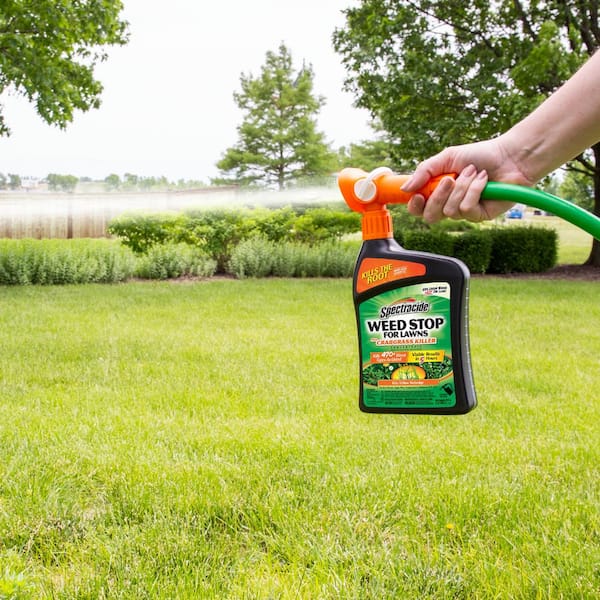
- A jug of Spectracide Weed Stop for Lawns & Gardens.
- A bottle of Hi-Yield Selective Weed Killer.
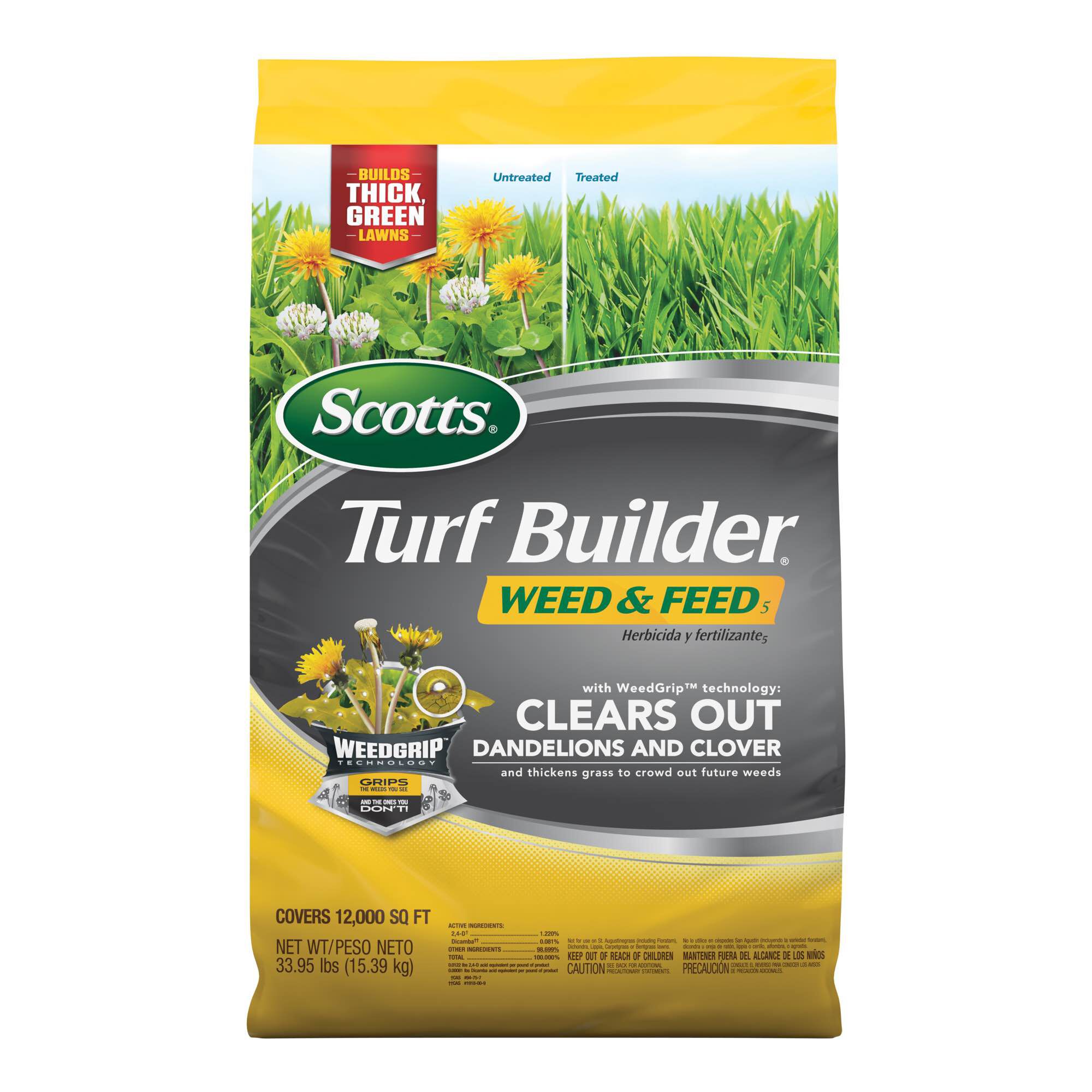
- A bag of Scotts Turf Builder Weed & Feed.

Post a Comment for "Get Rid Of Grass In Your Flower Beds For Good"